Democratic Midterm Victory Fund Uncategorized The Ultimate Guide to Voting in the Democratic Midterm Elections

The Ultimate Guide to Voting in the Democratic Midterm Elections

Democratic midterm elections

Are you planning to vote in the upcoming Democratic midterm elections? Whether you’re a first-time voter or a seasoned pro, it’s important to be informed and prepared before casting your ballot. In this ultimate guide, we’ll walk you through everything you need to know to make your vote count.

The Basics of Voting

Before we dive into the specifics of the Democratic midterm elections, let’s review the basics of voting. This includes registering to vote, understanding your voting rights, and knowing what to expect on election day.

Democratic Midterm Elections: What’s at Stake?

The 2022 Democratic midterm elections will have a major impact on the future of the United States. We’ll explore the key issues at stake in these elections and what they mean for you and your community.

How to Research Candidates and Issues

To make an informed decision, it’s important to research the candidates and issues on the ballot. We’ll provide tips on how to find reliable sources of information and what questions to ask when evaluating candidates.

How to Vote by Mail

If you’re unable to vote in person, you may be eligible to vote by mail. We’ll explain the process of requesting and casting your mail-in ballot, as well as what to do if you encounter any issues.

How to Vote in Person

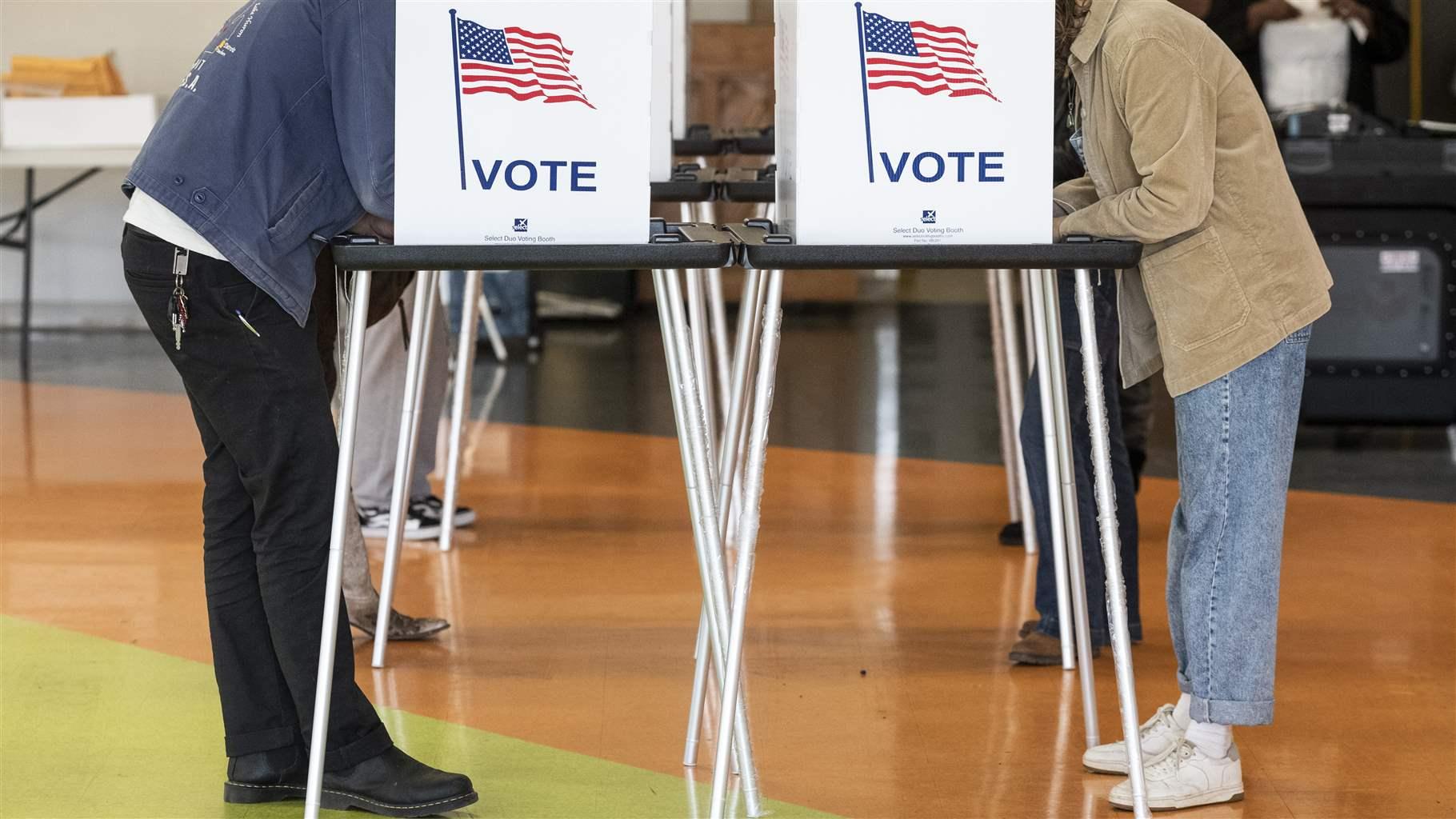
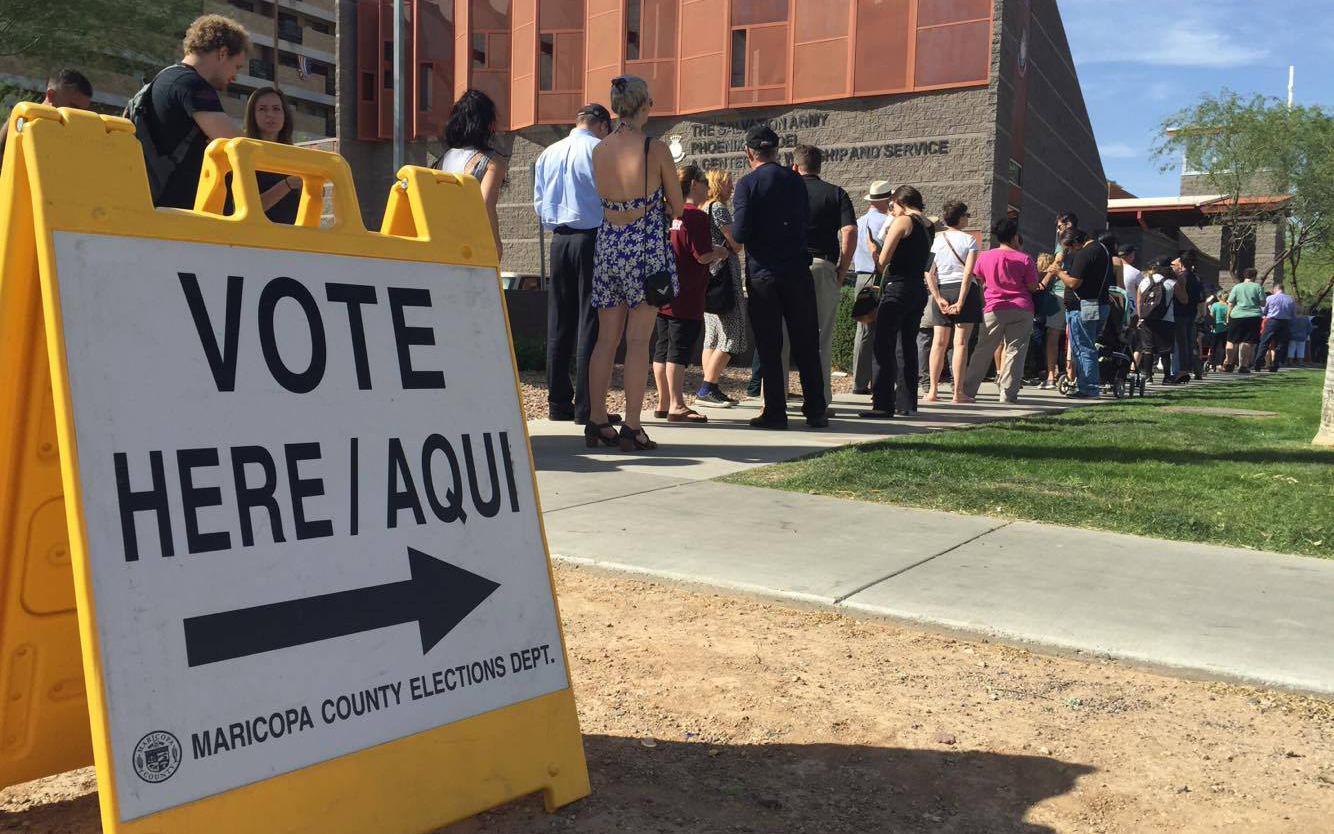
For those planning to vote in person, we’ll cover everything you need to know to make the process as smooth as possible. This includes finding your polling place, understanding the voting machines and equipment, and knowing what to do if you encounter any issues.

What to Do After You Vote

Once you’ve cast your ballot, your job isn’t quite done yet. We’ll explain what you can do to stay engaged and informed after the elections, and how to hold your elected officials accountable.

With this ultimate guide, you’ll be equipped with the knowledge and tools you need to make your vote count in the Democratic midterm elections. Get ready to make your voice heard and be part of shaping the future of our country.


GO BACK TO HOME

Related Post

Democrats Defied History and President Donald Trump’s Approval Ratings to Gain Control of the United States SenateDemocrats Defied History and President Donald Trump’s Approval Ratings to Gain Control of the United States Senate

Democrats defied history

After a historic midterm election, Democrats defied historical trends and President Donald Trump’s approval ratings to gain control of the United States Senate. They did so by a combination of resurgent political power and voter disdain for the President’s extremist policies.

In addition to winning a net of four state legislative chambers, Democrats held losses in several other states to a minimum, a remarkable feat of political defiance that is unprecedented for a president’s party in midterm elections. This holds the promise of boosting Democratic congressional and presidential majorities, but it also means that many more Americans will live in states run by partisan trifectas for the first time since World War II.

The Democrats’ success this year was driven by a combination of factors: weak Republican candidates; concern about the Supreme Court’s recent ruling overturning abortion rights and the backlash against Trump’s election denialism; and the party’s shift into a populist position that voters perceived as appealing to middle-class voters. These factors helped fuel a series of competitive races that saw a wave of Democrat wins in red and blue states.

For example, Pennsylvania Democrat John Fetterman upset a conservative candidate for the Senate seat of Pat Toomey, who had been appointed to fill out Biden’s term in 2016. In another race, Democrat Seth Magaziner beat a longtime Republican politician in Rhode Island’s Second Congressional District, an area that Biden won by more than 15 points.

A few of these newcomers, however, were unable to convey the shift in rhetorical tone that had been a key component of the Democratic campaign. In the Senate, for instance, a number of incumbents who might have struggled against an ideologically extreme Republican candidate in previous cycles, such as Colorado’s Michael Bennet or California’s Kamala Harris, did not even try to distinguish themselves from their opponents by aligning with the Party’s new populist economic platform.

These messengers did not perform well, and many voters felt that the Party’s messaging was faulty. This contributed to the Party’s reversal of fortunes, with the Electoral College tipping toward the Democrats’ favor by nearly two points.

The party also lost ground in a number of battleground states, including Florida, Ohio and North Carolina. But it kept its strongholds in Massachusetts, Maryland and likely California as well as a number of other states that are traditionally Democratic or lean blue.

By retaking the Senate, Democrats prevented President Trump from confirming his picks for federal agencies and the judiciary, a process that is typically fraught with legal challenges from the President’s political opponents. It also slowed Trump’s efforts to replace the Supreme Court and thwarted any plans to launch a wide-ranging investigation into possible crimes by the former President and his campaign team.

In the House, Democrats won a net of seven seats, but they lost five in competitive districts. Nevertheless, they have gained three veto-proof supermajorities and are likely to retain a majority in the next Congress.

These results suggest that the Party will need to be more consistent in conveying its populist message and addressing the issues voters care about most. This will likely require more than simply reviving its signature policy initiatives of the Obama administration, such as free college tuition and the enhanced Child Tax Credit.

Nightlife Showdown: Hanoi vs. Ho Chi Minh CityNightlife Showdown: Hanoi vs. Ho Chi Minh City

호치민마사지

When exploring Vietnam’s lively nightlife spots, Hanoi and Ho Chi Minh City 호치민마사지 (Saigon) shine. Each city presents distinct experiences tailored to diverse preferences. This in-depth analysis compares the unique charms of their nightlife scenes, aiding in your choice of the perfect match for your style.

Introduction

Vietnam, renowned for its vibrant culture and storied history, is home to bustling urban centers that awaken at nightfall. Hanoi, the northern capital, and Ho Chi Minh City, the southern economic hub, present contrasting yet equally captivating nightlife scenes. Whether your preference leans towards relaxed lounges, vibrant clubs, or immersive cultural displays, both cities promise a plethora of options to explore.

Hanoi: A Blend of Tradition and Modernity

Old Quarter Charm

Hanoi’s Old Quarter weaves a labyrinth of slender streets adorned with age-old architecture, vibrant markets, and concealed treasures. As evening descends, the district metamorphoses into a lively nucleus of energy, where sidewalk cafes, street food stalls, and live music spots entice both locals and visitors.

Bia Hoi Culture

Bia Hoi, known as fresh beer, is a vital component of Hanoi’s vibrant nightlife scene. This crisp and invigorating brew is crafted each day and savored at impromptu sidewalk establishments. It’s more than just a beverage; it embodies the lively ambiance and companionship that accompany gathering with both old and newfound friends over a glass.


Live Music Venues

Music aficionados in Hanoi can explore a variety of venues hosting live shows, featuring a spectrum of music genres. From traditional Vietnamese melodies to modern bands covering jazz and rock, these intimate settings highlight local talents, promising a distinctive and unforgettable experience.

Hidden Cafes

Nestled in tranquil nooks, Hanoi’s concealed cafes provide a sanctuary from the vibrant streets. These intimate havens offer artisanal coffee and authentic Vietnamese delights, ideal for a leisurely evening or a late-night rendezvous with friends.

Ho Chi Minh City: Modernity and Glamour

Skyline Views

The skyline of Ho Chi Minh City stands as a testament to its swift evolution and cosmopolitan atmosphere. Elevated bars and restaurants present breathtaking vistas of the cityscape, attracting those in search of a sophisticated evening experience.

District 1 Buzz

District 1 stands as the vibrant core of Ho Chi Minh City’s nightlife scene, boasting an array of bars, clubs, and restaurants to suit diverse preferences. From stylish nightclubs to sophisticated cocktail lounges, this district exudes a lively atmosphere that persists well into the early morning hours.

Cultural Shows

Alongside its contemporary attractions, Ho Chi Minh City beautifully presents its rich cultural legacy via traditional shows. The AO Show and Teh Dar stand out as captivating performances intertwining acrobatics, dance, and music, offering a window into Vietnam’s vibrant artistic customs.


Street Food Paradise

For food enthusiasts, Ho Chi Minh City’s street food scene is unparalleled. From pho and banh mi to regional specialties, the city’s sidewalks come alive with hawkers offering delicious and affordable treats well into the night.

Conclusion

Deciding between Hanoi and Ho Chi Minh City for nightlife hinges on your preferences. Hanoi boasts a fusion of tradition and modernity with its charming Old Quarter and vibrant Bia Hoi culture. On the other hand, Ho Chi Minh City dazzles with its contemporary skyline, bustling District 1, and rich cultural displays. Whether you crave a relaxed night of live music and cozy cafes or a glamorous evening with panoramic views and cultural spectacles, both cities guarantee unforgettable experiences.

In summary, both Hanoi and Ho Chi Minh City boast lively nightlife scenes, catering to a wide range of preferences. These cities are essential stops for those seeking to immerse themselves in Vietnam’s vibrant urban culture after sunset.

GO BACK TO THE  MAIN PAGE

The Evolution of Sports Gambling: Ancient Times to OnlineThe Evolution of Sports Gambling: Ancient Times to Online

토토커뮤니티

Introduction to Sports Gambling

Sports betting, a tradition as ancient as human civilization itself 토토커뮤니티, has evolved significantly over time. From the days of spectators betting on gladiator contests to today’s online platforms with diverse betting options, the realm of sports gambling has seen a continuous transformation. This detailed guide will delve into the extensive history of sports betting, examining its beginnings, significant milestones, and the technological innovations that have influenced its development.

Ancient Origins of Sports Gambling

Early Civilizations and Wagering

Sports betting has ancient origins dating back to civilizations like the Greeks and Romans. In ancient Greece, spectators frequently engaged in wagering on athletic contests, including the Olympic Games and chariot races. Likewise, in Rome, spectators bet on gladiator combat, predicting individual fight outcomes or the overall victor of the spectacle.

Influence of the Roman Empire

The growth of the Roman Empire boosted the popularity of sports betting, with wagers linked to gladiatorial games and chariot races that captivated crowds. The Colosseum, an iconic symbol of Roman magnificence, served as a center for both entertainment and betting, drawing citizens to place bets on beloved fighters and charioteers.

Medieval Era and Renaissance

Shift in Gambling Practices

In the medieval era, the rise of Christianity contributed to the diminishing popularity of sports gambling, as betting on games of chance conflicted with religious values. Yet, with Europe transitioning from the Dark Ages to the Renaissance, gambling underwent a revival, albeit in altered manifestations. While sports wagering stayed relatively restrained, games involving dice and cards surged in appeal among both the nobility and the common folk.

Emergence of Betting Houses

During the Renaissance, the inception of the initial betting houses enabled people to wager on diverse events, such as sports competitions. These venues formed the foundation for the structured gambling sector that developed in the following centuries, paving the way for the widespread practice of sports betting in contemporary times.

Rise of Modern Sports Gambling

Industrial Revolution and Betting Pools

The Industrial Revolution in the 18th and 19th centuries marked a pivotal era of technological and communicative progress, setting the groundwork for today’s sports betting industry. This epoch witnessed the rise of betting pools as a favored method of wagering, where participants pooled resources to gamble on the results of sporting spectacles like horse races and boxing matches.

Legalization and Regulation

During the early 20th century, various nations initiated the legalization and regulation of sports betting, acknowledging its economic advantages and cultural importance. For instance, the United Kingdom enacted the Betting and Gaming Act of 1960, legalizing betting establishments and facilitating the widespread embrace of sports betting as a legitimate entertainment avenue.

Technological Advancements and Online Platforms

Introduction of Online Betting

The emergence of the internet in the late 20th century sparked a revolution in the sports gambling sector, granting bettors unparalleled access to betting markets and information. This era saw the rise of online betting platforms that offered a diverse array of wagering options encompassing traditional sports like football and basketball alongside niche sports and esports.

Mobile Betting and In-Play Wagering

The rise of smartphones and mobile technology has revolutionized the sports betting scene, empowering bettors to place wagers at their convenience. With mobile betting apps, users can engage in live betting on games and events instantly, marking the dawn of in-play wagering and elevating the betting journey for fans.

Future Trends and Innovations

Integration of Blockchain Technology

With the progression of technology, the sports betting industry is venturing into fresh realms of innovation, eyeing blockchain technology as a transformative force. Blockchain provides transparent, secure transactions, making it a fitting remedy for challenges like payment processing and data integrity within the realm of sports wagering.

Expansion of Virtual Reality Betting

Virtual reality (VR) technology presents vast potential for the evolution of sports betting, providing immersive experiences that mimic the excitement of live sporting events. As VR headsets become more prevalent, virtual reality betting platforms are set to transform how enthusiasts interact with their preferred sports.

Conclusion

From ancient civilizations to contemporary online platforms, the journey of sports gambling reflects humanity’s timeless allure towards competition and luck. As technology progresses and society shifts, the sports betting sector will inevitably undergo more changes, molding our future sports interaction and experiences.

GO BACK TO HOME