Democratic Midterm Victory Fund Uncategorized The Ultimate Guide to Voting in the Democratic Midterm Elections

The Ultimate Guide to Voting in the Democratic Midterm Elections

Democratic midterm elections

Are you planning to vote in the upcoming Democratic midterm elections? Whether you’re a first-time voter or a seasoned pro, it’s important to be informed and prepared before casting your ballot. In this ultimate guide, we’ll walk you through everything you need to know to make your vote count.

The Basics of Voting

Before we dive into the specifics of the Democratic midterm elections, let’s review the basics of voting. This includes registering to vote, understanding your voting rights, and knowing what to expect on election day.

Democratic Midterm Elections: What’s at Stake?

The 2022 Democratic midterm elections will have a major impact on the future of the United States. We’ll explore the key issues at stake in these elections and what they mean for you and your community.

How to Research Candidates and Issues

To make an informed decision, it’s important to research the candidates and issues on the ballot. We’ll provide tips on how to find reliable sources of information and what questions to ask when evaluating candidates.

How to Vote by Mail

If you’re unable to vote in person, you may be eligible to vote by mail. We’ll explain the process of requesting and casting your mail-in ballot, as well as what to do if you encounter any issues.

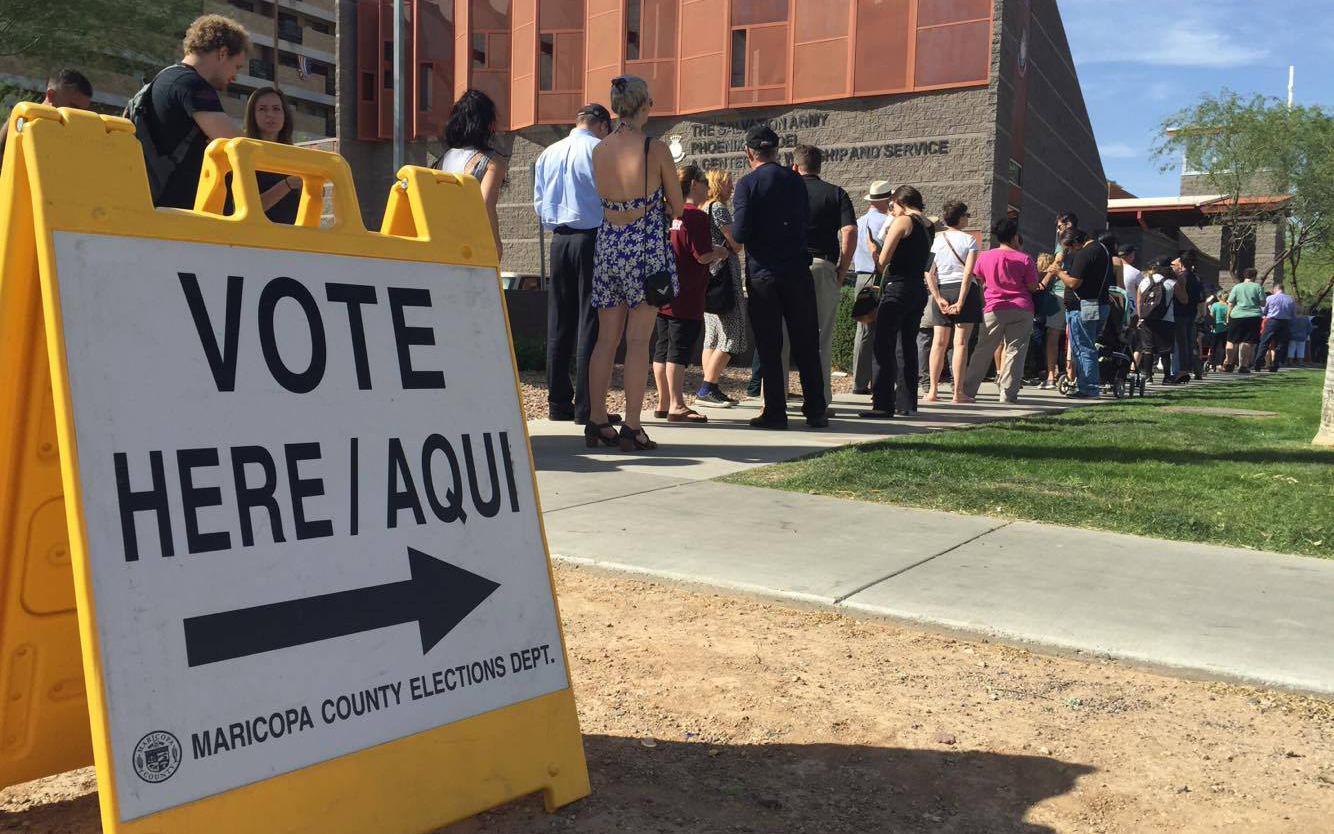
How to Vote in Person

For those planning to vote in person, we’ll cover everything you need to know to make the process as smooth as possible. This includes finding your polling place, understanding the voting machines and equipment, and knowing what to do if you encounter any issues.

What to Do After You Vote

Once you’ve cast your ballot, your job isn’t quite done yet. We’ll explain what you can do to stay engaged and informed after the elections, and how to hold your elected officials accountable.

With this ultimate guide, you’ll be equipped with the knowledge and tools you need to make your vote count in the Democratic midterm elections. Get ready to make your voice heard and be part of shaping the future of our country.

GO BACK TO HOME

Related Post

How to Donate to the Democratic Midterm Victory Fund and Make a DifferenceHow to Donate to the Democratic Midterm Victory Fund and Make a Difference

Democratic Midterm Victory Fund

It is more important than ever for citizens to stand by their values and contribute towards creating meaningful change. To support this cause, we provide you the opportunity to donate to the Democratic Midterm Victory Fund – a project striving hard to ensure our elected officials represent us correctly in upcoming midterm elections. In this article learn all about how your donations can make an impact and become part of something greater!

Step 1: Educate Yourself

Your donation to the Democratic Midterm Victory Fund can be an investment in a future of social justice, civil rights, and environmental protection. This fund works towards advancing progressive values across the country by electing like-minded candidates into legislative offices nationwide – to help bring about positive change today!

Get informed on the Democratic Midterm Victory Fund and show your support! Take a few moments to explore their website, read through their mission statement, and evaluate which candidates you feel best to fit your values. With this knowledge in hand, make sure that every political contribution decides represents what matters most to you.

Step 2: Choose Your Donation Method

Make a real difference in the Midterm Elections with your generous donation to the Democratic Victory Fund. You can conveniently and securely give from home, utilizing our easy online platform for all types of payments, or take advantage of donating over the phone or mail if you prefer those methods. Head on over to their website and join thousands who have already contributed towards this important cause!

Donating to the Democratic Midterm Victory Fund has never been easier! Visit their website for details on giving by phone or mail, and make sure you’ve provided all requested information – such as your name, address, number, and email. Your generous contribution can help shape America’s future!

Step 3: Set Your Donation Amount

Every contributor to the Democratic Midterm Victory Fund has a powerful opportunity – even small amounts can make a difference! Before setting your donation amount, it’s important to consider what fits best within your budget and financial situation. In doing so you’ll be making an impact that resonates far beyond just yourself.

Recurring donations provide stability and sustainability for the Democratic Midterm Victory Fund – allowing you to easily contribute a set amount every month or week. Make an impact today, while also setting up long-term support: ensure that your donation keeps making waves!

Step 4: Spread the Word

Be a part of the movement that will shape our country’s future: donate to and share information about the Democratic Midterm Victory Fund. Every voice counts, so take yours one step further by inspiring others with your passion for progressive change!

Make your voice heard and help create a more equitable society – Share information about the Democratic Midterm Victory Fund in your social circles or start a fundraising campaign. Even small gestures can have an impact, so join forces with those around you to make positive change happen!

With your support

We can make a powerful impact in the upcoming midterm elections. Donating to the Democratic Midterm Victory Fund is an easy and effective way to show you stand with progressive values – and it’s easier than ever! Educate yourself on this process, select how much you’d like to donate, pick your preferred donation method – then spread the word so others may join in supporting causes close to heart. Together let’s amplify our voices for positive change ahead of these critical midterms.

GO TO SEE MORE 


Mastering Technical Analysis:Indicators for Bitcoin FuturesMastering Technical Analysis:Indicators for Bitcoin Futures

Welcome to our comprehensive guide on Mastering Technical Analysis: Indicators for Bitcoin Futures Trading. In this in-depth article, we’ll delve into the world of technical analysis for Bitcoin futures trading, equipping you with the knowledge and tools to make informed decisions in the dynamic cryptocurrency market. Whether you’re a seasoned trader or just starting your journey, understanding the right indicators can be the key to success.

코인선물

Why Technical Analysis Matters

Technical analysis is a powerful approach used by traders to predict price movements based on historical market data. By analyzing charts, patterns, and various indicators, traders aim to identify trends, potential entry and exit points, and overall market sentiment. In the volatile realm of Bitcoin futures, mastering technical analysis is essential for making well-informed decisions and managing risk effectively.

The Fundamental Indicators

Moving Averages

Moving averages are fundamental indicators that smooth out price data to create a trend-following line on the chart. They come in various forms such as the Simple Moving Average (SMA) and the Exponential Moving Average (EMA). These indicators help identify the overall direction of the market, making it easier to spot trends amidst the noise.

Relative Strength Index (RSI)

The Relative Strength Index (RSI) is a powerful momentum indicator used to measure the velocity and magnitude of price changes. Operating on a scale from 0 to 100, it helps identify instances of overbought and oversold conditions. By doing so, it becomes an invaluable tool in detecting potential reversal points or validating existing trends.

MACD (Moving Average Convergence Divergence)

The MACD is a versatile indicator that combines moving averages to show changes in the strength, direction, momentum, and duration of a trend. Traders often use the MACD to spot potential trend reversals and to confirm the strength of a prevailing trend.

Bollinger Bands

Bollinger Bands consist of a central moving average and two outer bands that represent standard deviations from the average. They help traders identify periods of high volatility and potential price breakouts, allowing for more precise entry and exit points.

Advanced Indicators for Bitcoin Futures Trading 코인선물

Fibonacci Retracement

The Fibonacci retracement tool is a widely used method for identifying support and resistance levels. Derived from the Fibonacci sequence, it involves drawing horizontal lines that indicate possible price retracements and extensions. Traders rely on these levels to determine the best moments to enter or exit a trade.

Ichimoku Cloud

Discover the power of the Ichimoku Cloud – the ultimate tool for analyzing support and resistance levels, trend direction, and momentum. Perfectly suited for the dynamic cryptocurrency market, this comprehensive indicator thrives in volatile conditions.

Volume Profile

Understanding volume is crucial in any market, and Bitcoin futures trading is no exception. Volume Profile helps traders identify areas of high and low trading activity, offering valuable information on market sentiment and potential price movements.

Developing Your Trading Strategy

While mastering these indicators is essential, it’s equally important to develop a robust trading strategy that incorporates risk management, timeframes, and a clear understanding of your goals. Consider backtesting your strategy on historical data to refine it before applying it in real-time trading.

Stay Informed and Adapt

The cryptocurrency market, especially Bitcoin, is known for its rapid changes and unpredictable nature. It’s crucial to stay informed about market news, regulatory updates, and technological advancements that may impact your trading decisions. Adaptability is key in this ever-evolving landscape.

Conclusion

Discover the key technical indicators for Bitcoin futures trading in this comprehensive guide. From the fundamental moving averages and RSI to the advanced Fibonacci retracement and Ichimoku Cloud, explore a range of indicators to enhance your trading strategy. Keep in mind that success is not guaranteed by any single indicator – a holistic approach that includes extensive research, effective risk management, and a commitment to continuous learning is the winning path to becoming a successful Bitcoin futures trader.

GO BACK TO HOME

US Midterm Elections 2018US Midterm Elections 2018

US midterm elections

US midterm elections are held every four years, and they’re a major test for sitting presidents. If a party loses control of Congress, it’s more difficult to advance the president’s agenda.

Historically, the party in the White House loses seats in the midterms. The trend was upended in 2002, when the party of President George W. Bush gained a few seats in the House and Senate, thanks to aggressive campaigning.

Since World War II, House seats have generally changed hands in midterms when the president’s approval rating is below 50%. In recent years, this has been particularly true of Democratic presidents.

In 2018, there was a strong blue wave in many states, with the Democratic Party winning seats in a record-breaking number of districts. This was led by Democratic candidates increasing their share of the vote, and many of them winning seats previously held by Republican candidates.

Some voters voted less than usual, but the overall turnout was high: nearly half of eligible Americans turned out to vote in 2018. Voter participation was much higher than it has been for midterms in 100 years and is the highest level for a midterm since 2014.

Among voters with annual family incomes of more than $150,000, Democrats won by an overwhelming margin (65% to 30%). This was the largest majority for any party in any race, and was largely driven by strong turnout of high-income voters.

There were also some surprising wins for Democratic candidates in races that were not expected to be competitive. For example, Sharice Davids, the joint-first Native American congresswoman from Kansas, increased her vote share in her district by 13% and won a seat that had been held by a Republican.

This was a large swing towards the Democrats, but in many districts, it wasn’t enough to overcome challenges from the Republicans. For example, West Virginia’s 3rd district flipped from Republican to Democratic, but a strong turnout by young and Latinx voters was not sufficient to make the difference in this race.

Abortion, immigration and other social issues dominated the national political debate this year. These issues drove turnout and the votes of many Democratic congressional candidates, especially in suburban areas and urban centers.

The president’s approval rating typically reaches a low in the first midterm after a new administration takes office. In the first midterms of Presidents Bill Clinton in 1994 and Barack Obama in 2010, they both saw their approval ratings sink to below 50%.

Despite this, some of the president’s key policies, including the expansion of government-run healthcare programs, protection of abortion rights and tightening gun control, were able to survive. But the Democrats lost control of Congress in both chambers and will need to work harder to defend their policies if they want to keep them alive.

The next two years will be critical to the future of US politics. If the Democrats can hold onto both chambers, they will be in a strong position to pursue their agenda. If the Republicans take control, they will be able to stall or even reverse many of President Biden’s policies.